
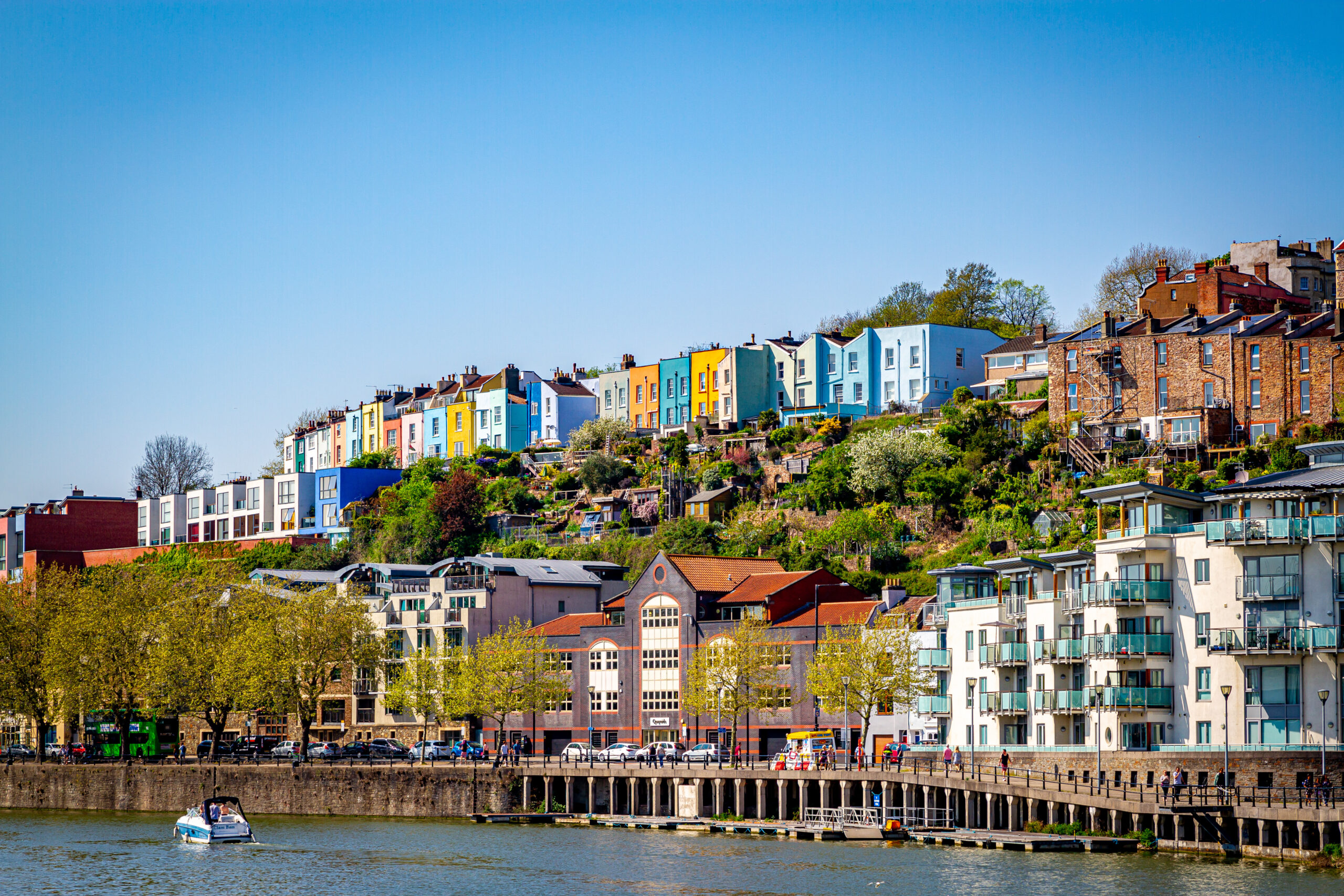
Protect Your Bristol Home with Secure Garden Fencing
Our professional garden fencing installations and repairs play a vital role in protecting Bristol property boundaries, maintaining privacy, and improving overall presentation. Over time, exposure to wind, rain, and ground moisture can weaken even well-built timber fences. Recognising early signs of deterioration helps prevent larger structural issues and ensures your outdoor space remains secure and visually consistent.


Visible Signs Your Fence May Need Attention
Across Bristol, garden fencing must withstand variable weather conditions, changing soil stability, and general wear. Understanding when repair is sufficient and when full replacement is the more practical option can save both time and long-term expense.
Some fencing issues are immediately noticeable. Leaning panels, visible rot, or loose sections often indicate underlying structural weakness.
Common visual warning signs include warped boards, cracked panels, gaps forming between posts, or timber darkening at ground contact points. These issues may begin as minor cosmetic flaws but can develop into stability concerns if left unaddressed.
In densely populated areas of Bristol, fencing also plays an important role in maintaining privacy. Gaps, splits, or panel movement can compromise boundary definition and reduce security.
As a local landscaper, JB Landscapes is available to address your fencing concerns and ensure your home feels secure and your privacy is not compromised. Our garden fencing repair, replacement, and installation services are offered alongside patios and decking installation, planters, lawn maintenance, and much more.
Structural Problems That Should Not Be Ignored
Not all fencing problems are obvious at first glance. A fence may appear upright while internal posts have begun to shift beneath the surface.
Timber posts embedded directly into soil are particularly vulnerable to moisture-related decay. Once the base weakens, the entire structure becomes unstable. High winds, common in exposed parts of Bristol, can accelerate the failure of foundations that are already compromised.
Concrete-set posts, gravel boards, and correct drainage significantly extend lifespan. However, even well-installed fencing will eventually require repair or replacement due to age and environmental exposure.
Key structural warning signs include:
- Panels moving in light wind
- Posts shifting at ground level
- Persistent rot at the base of boards
- Repeated patch repairs in the same area
- Reduced privacy due to gaps or instability
Addressing these issues early prevents sudden collapse and limits damage to adjoining panels
Repair or Replace? Making the Right Decision
Not all damaged fencing requires full replacement. Isolated panel damage, minor leaning caused by soil movement, or loose fixings can often be corrected with targeted repairs.
Replacement becomes the more practical solution when multiple posts have deteriorated, widespread rot is present, or previous repairs have only provided short-term improvement. In older fencing installations, upgrading to new closeboard or featheredge systems may deliver improved strength, better alignment, and longer service life.
For homeowners considering garden fencing, a professional inspection from a JB landscaper helps determine the most cost-effective approach. Repair may extend lifespan, but full replacement can improve both durability and appearance when structural integrity is compromised.
And if you do opt for a full replacement, why not take the opportunity to upgrade other garden areas as well? Patios and decking, planters and raised flower beds are all examples of how we can help transform your outdoor space, making you want to spend more time in the fresh air, enjoying your garden.
Weather Exposure & Timber Performance
Bristol’s climate presents consistent challenges for timber fencing. Regular rainfall, temperature fluctuations, and shaded garden areas encourage moisture retention, which can accelerate timber decay if not properly managed.
Correct installation techniques make a significant difference. Posts securely set in concrete, raised gravel boards that prevent direct soil contact, and adequate spacing between boards allow airflow and reduce prolonged damp conditions.
Ongoing maintenance, including timber treatment and post-storm inspection, further enhances performance. Preventative care reduces the likelihood of sudden failure and protects boundary security.
Strengthening Privacy & Security
Fencing is not purely decorative. In urban settings, secure garden boundaries contribute to property protection and peace of mind.
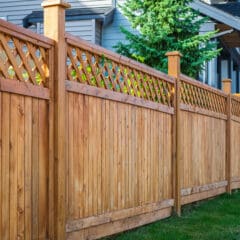
Closeboard and featheredge fencing styles remain popular for their strength and limited visibility through the panels. A solid, well-aligned fence creates a defined perimeter that enhances both security and overall garden presentation.
If existing fencing has become unstable or visually worn, upgrading to professionally installed timber fencing by our landscapers improves both structural reliability and kerb appeal.
For property owners, assessing and acting at the first signs of deterioration prevents more extensive damage and ensures outdoor spaces remain safe, secure, and well-maintained.
JB Landscapes: Garden Fencing Built to Last
If you have noticed leaning fencing panels, unstable posts, or visible timber decay, JB Landscapes provides professional inspection, repair, and replacement services across Bristol. Call 01179 391316 or contact James directly on 07792 097234 to discuss our hard and soft landscaping, including patios, decking, and lawn maintenance.